
Adopting or buying a dog is an exciting step, but it’s also a long-term commitment. Every dog, no matter the breed, deserves a loving, stable home where they can thrive. Choosing the right breed—or mix of breeds—can make a big difference in how well your new companion fits into your daily life. Instead of focusing only on looks or popularity, it’s important to think carefully about your lifestyle, activity level, living situation, and personality. Here’s a practical guide to help you make the best match.
Consider Your Activity Level
Dogs have different energy levels, and pairing the wrong dog with the wrong owner can lead to frustration on both sides. High-energy dogs (like Border Collies, Australian Shepherds, Huskies, or Jack Russell Terriers) need daily exercise, mental stimulation, and activities like running, hiking, or agility training. They’re best for active individuals or families who enjoy being outdoors. Moderate-energy dogs (like Beagles, Cocker Spaniels, or many mixed breeds) enjoy regular walks and playtime but are also content to relax with you on the couch. Low-energy dogs (like Bulldogs, Basset Hounds, or senior dogs of many breeds) are perfect for people who prefer a more laid-back lifestyle. Ask yourself: how much time and energy can you realistically commit to exercise each day?
Think About Your Living Space
The size of your home and yard doesn’t necessarily dictate what size dog you can have—but it does influence how much exercise and stimulation you’ll need to provide. Apartment living: Smaller or calmer breeds like French Bulldogs, Chihuahuas, or Shih Tzus often thrive in apartments, especially if you can provide daily walks and enrichment. Houses with yards: Larger breeds like Golden Retrievers, Labradors, or German Shepherds can do well if they have room to play—but remember, a big yard is not a substitute for walks and interaction. Rural or suburban settings: If you live where there’s more space, active breeds like Australian Shepherds or Pointers may be a good fit, as long as you can meet their needs.
Consider Grooming and Maintenance
Different dogs have different grooming requirements. Low-maintenance coats: Breeds like Boxers, Beagles, and Greyhounds need only occasional brushing and baths. High-maintenance coats: Breeds like Poodles, Maltese, or Shih Tzus require regular grooming, haircuts, and brushing. Shedders: Huskies, German Shepherds, and Golden Retrievers shed heavily and need consistent brushing. If you’re not up for regular grooming appointments or vacuuming, it’s wise to choose a breed with a coat that matches your tolerance for maintenance.
Match Temperament to Your Household
Some breeds are naturally independent, while others crave constant companionship. Think about the dynamics of your home. Families with children: Breeds like Golden Retrievers, Beagles, and Boxers are known for their friendly, tolerant nature. Singles or couples: Independent breeds like Shiba Inus, Chow Chows, or Greyhounds may do well with adults who work during the day. Multi-pet households: Social breeds like Labrador Retrievers or mixed breeds raised with other pets often adapt well. Temperament matters just as much as energy level—make sure your new dog’s personality aligns with your household.
Factor in Training and Experience
Some breeds are easier for first-time owners, while others require more experience. Easier for beginners: Breeds like Cavalier King Charles Spaniels, Pugs, and Labs are often forgiving, eager to please, and relatively easy to train. Better for experienced owners: Working breeds like Belgian Malinois, Dobermans, or Huskies need consistent training, structure, and strong leadership. If you’re new to dog ownership, choosing a breed with a reputation for adaptability can help set you up for success.
Don’t Forget Age and Adoption Options
While breed traits are helpful guidelines, every dog is unique. A senior dog may be calmer than a high-energy breed puppy, while a mixed-breed rescue may have the perfect blend of traits for your lifestyle. Rescue organizations and shelters often know their dogs well and can help guide you toward a good match. Instead of focusing solely on breed, consider adopting based on personality, age, and individual needs.
Choosing the right dog breed for your lifestyle is about more than looks or trends—it’s about compatibility, commitment, and care. By considering your activity level, living space, grooming preferences, household dynamics, and experience, you’ll set the stage for a long, happy partnership. Remember: whether purebred or mixed, every dog deserves a loving home. Take your time, ask questions, and choose a dog who fits your life as much as you fit theirs.
Available Dogs










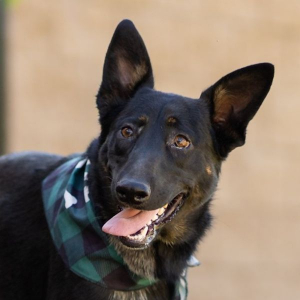



Private Adoption Agencies
One of the most critical needs for our team are partners with the ability to help house Bakersfield Strays dogs upon being picked up. We have limited space and ability to hold them for long periods of time and our expertise is more generally suited for partnerships with larger private adoption agencies that can become a liaison between us and the forever homes of the dogs. We do have a process for becoming a partner that ensures they are going to remain happy and healthy in loving homes. If you are interested in helping us overcome this crisis and you have the ability to facilitate the adoption process n our behalf, please apply to become one of our valued partners. You can find the steps to doing so at the link below.