
Introduction
Bringing a new dog or puppy into your home is one of life’s most rewarding experiences. Dogs offer companionship, loyalty, and joy—but just like welcoming a new child, they also require preparation and patience. Whether you’re adopting a rescue pup or bringing home a new best friend from another source, getting your home ready ahead of time will make the transition smoother for both you and your furry companion.
Below, we’ll walk through what to expect, the essential supplies you’ll need, and how to create a safe environment that helps your dog settle in comfortably.
What to Expect When Bringing Home a Dog
The first few days and weeks are a big adjustment period. Your new dog may feel anxious, uncertain, or overstimulated by their new environment. Don’t be surprised if you notice:
-
Shyness or nervousness: Many dogs need time to build trust and confidence.
-
Accidents in the house: Even if they’re house-trained, stress and unfamiliar surroundings can lead to mistakes.
-
Exploration: Puppies especially love to sniff, chew, and test boundaries.
-
Bonding time: Every dog adjusts at a different pace—some settle in quickly, while others may take weeks or even months.
Patience and consistency are your best tools. Focus on building a routine for feeding, potty breaks, exercise, and quiet time. Dogs thrive on structure—it helps them feel safe and secure in their new home.
Supplies to Have Ready Before Your Dog Arrives
Being prepared makes those first days easier and more enjoyable. Stock up on the following essentials before bringing your new dog home:
-
Food and water bowls – Stainless steel or ceramic bowls are easy to clean and less likely to harbor bacteria than plastic.
-
Quality dog food – Ask what your dog has been eating, and if you plan to switch brands, do so gradually to avoid stomach upset.
-
Crate or dog bed – A crate provides a safe den-like space and is especially helpful for puppies during house training. Older dogs may prefer a cozy bed.
-
Collar, ID tag, and leash – Identification is critical in case your dog slips out the door. A sturdy leash is essential for safe walks.
-
Toys and chews – Provide a mix of chew toys, puzzle toys, and comfort toys to keep your pup entertained and mentally stimulated.
-
Grooming supplies – Brushes, nail clippers, shampoo, and dog-safe wipes will keep your pup clean and healthy.
-
Cleaning products – Accidents are bound to happen. Keep pet-safe cleaning sprays and paper towels on hand.
-
Training treats – Small, tasty treats are invaluable for teaching basic commands and reinforcing good behavior.
-
Baby gates or playpen – These help contain your dog to safe areas of the house during the adjustment period.
Having these items ready ensures your new pet feels welcome and cared for from day one.
How to Dog-Proof Your Home
Dogs are curious by nature, and puppies especially see the world as one big chew toy. To avoid accidents and protect your belongings, take a little time to dog-proof your space:
-
Secure trash cans: Dogs are notorious for rummaging through garbage, which can contain harmful foods or objects. Use covered bins or place them out of reach.
-
Store toxic items: Common household items—like cleaning products, medications, chocolate, grapes, and certain plants—are dangerous to dogs. Keep them locked away.
-
Protect electrical cords: Puppies may chew on cords, risking injury. Hide cords behind furniture or use protective covers.
-
Block off unsafe areas: Use baby gates to keep dogs away from stairs, kitchens, or rooms where they shouldn’t be unsupervised.
-
Check your yard: If you have outdoor space, make sure fences are secure, gates latch properly, and there are no toxic plants or sharp hazards.
-
Remove choking hazards: Pick up small toys, socks, or anything else a dog might swallow.
Think of dog-proofing as similar to baby-proofing—you’re anticipating curiosity and creating a safe environment.
Helping Your Dog Feel at Home
Beyond physical preparation, emotional support is equally important. Here are a few extra tips:
-
Set up a quiet space: Give your dog a spot where they can retreat when they feel overwhelmed.
-
Establish a routine: Regular feeding, walks, and playtime help your dog settle in faster.
-
Give them time: Don’t expect instant perfection. Building trust and teaching manners is a gradual process.
-
Shower them with love and patience: Positive reinforcement goes a long way in helping your dog feel secure and happy.
Conclusion
Preparing your home for a new dog or puppy takes effort, but the reward is immeasurable. By stocking up on essentials, dog-proofing your home, and approaching the first few weeks with patience, you set the stage for a smooth transition and a strong bond. Remember, your dog doesn’t just need food and shelter—they need your time, love, and guidance to thrive.
With preparation and care, your new four-legged family member will feel right at home in no time.
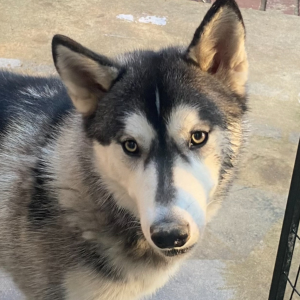
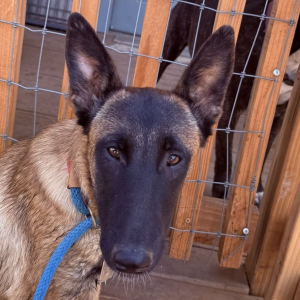
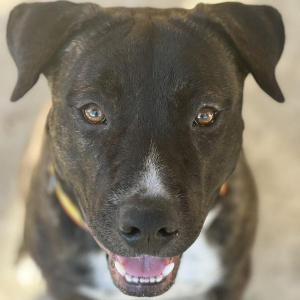
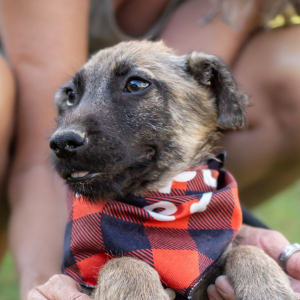
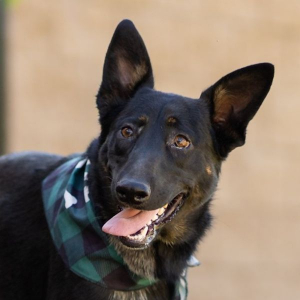
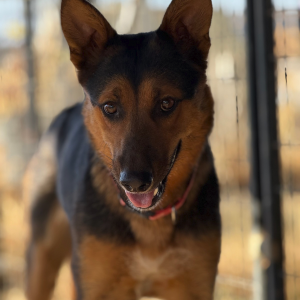
Available Dogs










Private Adoption Agencies
One of the most critical needs for our team are partners with the ability to help house Bakersfield Strays dogs upon being picked up. We have limited space and ability to hold them for long periods of time and our expertise is more generally suited for partnerships with larger private adoption agencies that can become a liaison between us and the forever homes of the dogs. We do have a process for becoming a partner that ensures they are going to remain happy and healthy in loving homes. If you are interested in helping us overcome this crisis and you have the ability to facilitate the adoption process n our behalf, please apply to become one of our valued partners. You can find the steps to doing so at the link below.