
Dogs are curious creatures, and accidents can happen even in the safest homes. Knowing basic dog first aid can make a crucial difference in emergencies, help prevent further injury, and give your dog the care they need before professional help is available. From minor cuts to sudden illness, having a plan and the right supplies can save lives and give you peace of mind.
Why Dog First Aid Matters
Just like humans, dogs can experience injuries or medical emergencies that require immediate attention. Understanding basic first aid allows you to stabilize your pet until a veterinarian can take over. Quick, informed responses can reduce stress, prevent complications, and sometimes even save a dog’s life. Being prepared also demonstrates responsible pet ownership and helps you feel confident in handling unexpected situations.
Essential Dog First Aid Supplies
A well-stocked first aid kit is the foundation of dog safety. Essential items include gauze pads, adhesive tape, antiseptic wipes or solution, bandages, scissors, tweezers, a digital thermometer, hydrogen peroxide (to induce vomiting only when advised by a vet), a muzzle (for safety if your dog is in pain), and disposable gloves. Additionally, keep your veterinarian’s contact information, the nearest emergency animal hospital, and any medications your dog may need. You can also purchase pre-made dog first aid kits, which often contain these essentials in one convenient package.
Common First Aid Situations and How to Respond
-
Minor Cuts and Scrapes: Clean the wound gently with antiseptic solution, apply gauze, and secure with tape or a light bandage. Monitor for signs of infection, including redness, swelling, or discharge.
-
Bleeding: Apply direct pressure with a clean cloth or gauze. Elevate the affected area if possible. For severe bleeding, seek immediate veterinary care.
-
Choking: If your dog is coughing or pawing at their mouth, they may have something lodged in their throat. Try to carefully remove the object if it’s visible, but never blindly reach into their mouth. If the airway is blocked, contact a vet or emergency animal hospital immediately.
-
Heatstroke: Dogs are prone to overheating, especially in warm weather. Symptoms include heavy panting, drooling, lethargy, and vomiting. Move your dog to a cool area, offer small amounts of water, and apply cool (not ice-cold) water to their body. Seek emergency veterinary care right away.
-
Poisoning: If your dog ingests a toxic substance, contact your veterinarian or an animal poison control center immediately. Do not induce vomiting unless specifically instructed. Common household toxins include chocolate, grapes, xylitol, and certain cleaning products.
-
Seizures: Keep your dog safe from injury by moving objects away and cushioning their head. Do not attempt to restrain them. Time the seizure and contact your vet for guidance.
Preventing Injuries and Emergencies
Many accidents can be prevented with proactive measures. Keep hazardous items like chemicals, sharp objects, and toxic foods out of reach. Supervise playtime and walks, and secure your yard to prevent escapes. Regular veterinary check-ups can help detect health issues before they become emergencies, and training your dog basic commands can prevent dangerous situations.
Knowing When to Seek Veterinary Help
While basic first aid is essential, it is not a replacement for professional care. Contact your veterinarian if your dog experiences persistent vomiting or diarrhea, difficulty breathing, severe pain, uncontrolled bleeding, or sudden collapse. Trust your instincts—if something seems seriously wrong, it’s better to seek help immediately rather than wait.
Educating Yourself and Family Members
All family members should know basic first aid techniques and where the first aid kit is stored. Consider taking a pet first aid class or watching reputable tutorials. Familiarity with these skills ensures that everyone in the household can respond calmly and effectively during an emergency.
Conclusion
Dog first aid is an important aspect of responsible pet ownership. By preparing a first aid kit, learning essential skills, and knowing when to seek professional help, you can protect your dog from minor injuries and serious emergencies alike. Accidents may happen, but preparation, knowledge, and quick action can make a world of difference for your furry friend’s safety and well-being.
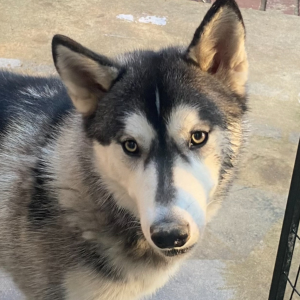
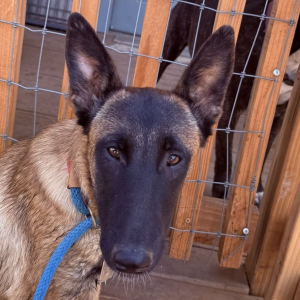
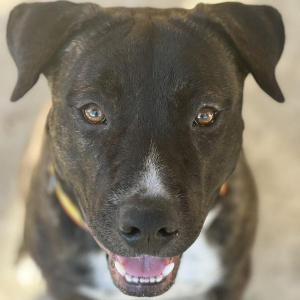
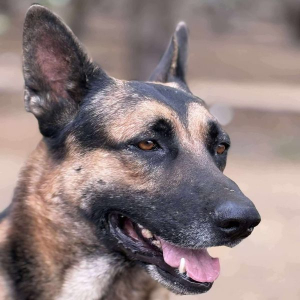
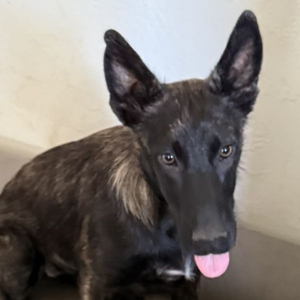
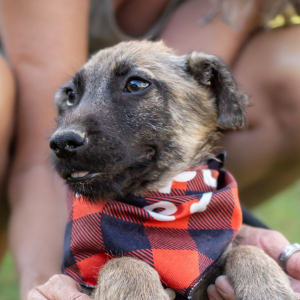
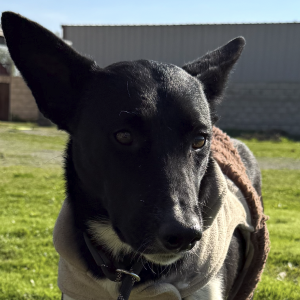
Available Dogs






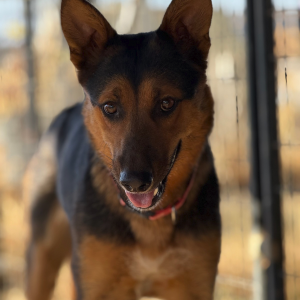

Private Adoption Agencies
One of the most critical needs for our team are partners with the ability to help house Bakersfield Strays dogs upon being picked up. We have limited space and ability to hold them for long periods of time and our expertise is more generally suited for partnerships with larger private adoption agencies that can become a liaison between us and the forever homes of the dogs. We do have a process for becoming a partner that ensures they are going to remain happy and healthy in loving homes. If you are interested in helping us overcome this crisis and you have the ability to facilitate the adoption process n our behalf, please apply to become one of our valued partners. You can find the steps to doing so at the link below.